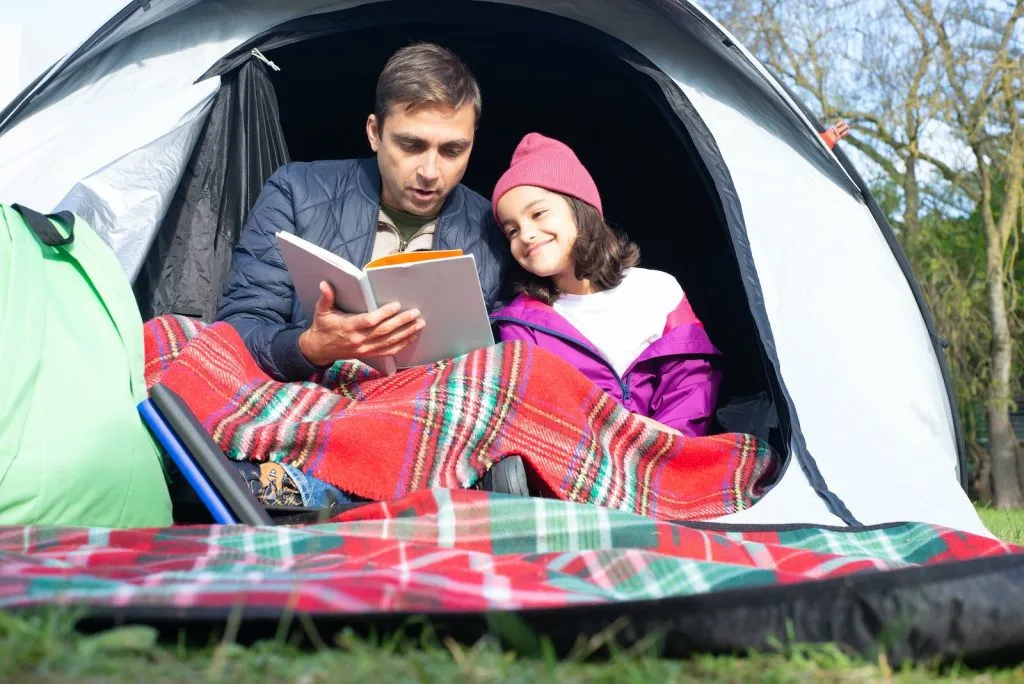
In recent years, the way we approach camping and outdoor adventures has undergone a significant transformation. Gone are the days when camping meant struggling with cumbersome tent setups and dealing with the discomforts of the ground beneath. Today, outdoor enthusiasts have access to innovative solutions that blend the thrill of nature with the convenience and comfort of modern amenities. One such revolutionary advancement is the rooftop tent. This unique camping solution is gaining traction among those who seek both adventure and a touch of luxury in their outdoor experiences. In this comprehensive exploration, we will delve into the experience of using a rooftop tent in the bush, examining its numerous benefits, key features, and practical considerations. By the end, you will have a thorough understanding of why a rooftop tent could be your ultimate companion for an unforgettable outdoor adventure.
The Concept of Rooftop Tents
What is a Rooftop Tent?

At its core, a rooftop tent is a cleverly designed camping accommodation that is mounted on the roof of a vehicle, such as an SUV, truck, or van. Unlike traditional tents that are set up on the ground, rooftop tents provide an elevated sleeping space that is both comfortable and secure. The basic structure of a rooftop tent typically includes a durable and weather-resistant fabric, supported by a robust frame. This design allows campers to sleep high above the ground, offering a range of benefits that traditional tents simply cannot match.
Rooftop tents come in a variety of styles and sizes, each catering to different preferences and needs. Hard-shell rooftop tents feature a rigid, aerodynamic shell that provides enhanced protection from the elements and insulation for various weather conditions. These tents often have a quick setup mechanism, allowing them to unfold and be ready for use in a matter of minutes. On the other hand, soft-shell rooftop tents are made from flexible, fabric-based materials that are lighter and more compact, making them easier to handle and store. Soft-shell tents usually unfold from the side of the vehicle, offering ample living space and a more traditional camping feel.
The concept of a rooftop tent marries the practicality of modern design with the timeless appeal of camping, creating a unique accommodation solution that appeals to a wide range of outdoor enthusiasts. Whether you’re embarking on a cross-country road trip, exploring remote wilderness areas, or simply seeking a weekend escape from the hustle and bustle of daily life, a rooftop tent provides a comfortable and convenient option that enhances your outdoor experience.
The Rise in Popularity
The surge in popularity of rooftop tents can be attributed to several factors that have made them an appealing choice for modern campers. As outdoor adventures become increasingly popular, there is a growing demand for camping solutions that offer greater comfort and convenience. Rooftop tents have emerged as a top choice for many outdoor enthusiasts, thanks to their numerous advantages over traditional camping setups.
One of the driving forces behind the rise of rooftop tents is the advent of adventure travel and overlanding. As more people seek to explore remote and rugged landscapes, the need for versatile and reliable camping solutions has become more pronounced. Rooftop tents provide a solution that allows travelers to set up camp quickly and easily, without the need for extensive ground preparation or dealing with environmental factors such as damp soil and pests.
Moreover, advancements in technology and manufacturing have contributed to the growing appeal of rooftop tents. Modern rooftop tents are designed with precision engineering and high-quality materials, ensuring that they are both durable and comfortable. The integration of features such as built-in insulation, weatherproofing, and ventilation has further enhanced the functionality and appeal of rooftop tents, making them a popular choice among outdoor enthusiasts.
As the popularity of rooftop tents continues to grow, manufacturers are continually innovating and improving their designs. This ongoing development ensures that rooftop tents remain at the forefront of camping technology, offering new and exciting possibilities for those who seek both adventure and comfort in their outdoor experiences.
Benefits of Rooftop Tents
Comfort and Convenience
One of the most compelling reasons to choose a rooftop tent is the unparalleled level of comfort it offers. Unlike traditional camping setups that require you to sleep on the ground, a rooftop tent provides an elevated sleeping space that is free from the discomforts of uneven terrain and damp conditions. This elevated position allows campers to enjoy a clean and dry sleeping environment, which is essential for a restful night’s sleep.
The interior of a rooftop tent is typically outfitted with a comfortable mattress and ample ventilation, ensuring that you stay cozy and well-rested throughout the night. Many rooftop tents come with additional features such as built-in LED lighting, storage pockets, and even small tables, adding to the overall comfort and convenience of the camping experience.
The ease of use associated with rooftop tents is another significant advantage. Setting up and taking down a rooftop tent is a straightforward process that is significantly quicker and less cumbersome than traditional camping tents. With a rooftop tent, you can have your accommodation ready in just a few minutes, allowing you to spend more time enjoying your surroundings and less time dealing with the logistics of setting up camp.
Additionally, the elevated design of a rooftop tent provides increased security and peace of mind. By keeping you off the ground, a rooftop tent reduces the risk of encountering wildlife and pests, offering a safer and more comfortable camping experience. This added security is especially valuable when camping in remote or unfamiliar areas where wildlife encounters or environmental hazards may be a concern.
Elevated Protection
The elevated design of rooftop tents offers a range of benefits in terms of protection from the elements. By keeping campers off the ground, rooftop tents provide a barrier against potential hazards such as damp soil, insects, and wildlife. This elevation also helps to regulate temperature, as the tent’s position allows for better airflow and insulation compared to ground-level tents.
Rooftop tents are typically constructed with high-quality, weather-resistant materials that provide excellent protection against rain, wind, and other adverse weather conditions. Many models come with rainflies, waterproof seams, and durable fabrics that ensure you stay dry and comfortable even during heavy rainfall. The elevated position of the tent also reduces the risk of water pooling around the tent, which can be a common issue with ground-level tents.
In addition to weather protection, the elevated design of rooftop tents offers increased security. The height of the tent can deter unwanted wildlife from accessing the interior, and the elevated position provides a greater sense of safety and security. For those traveling in remote or unfamiliar areas, this added security can be a valuable feature that enhances the overall camping experience.
Versatility and Mobility
Rooftop tents are designed to be highly versatile and adaptable, making them suitable for a wide range of outdoor adventures. Whether you’re embarking on a cross-country road trip, exploring remote off-road trails, or simply spending a weekend in the bush, a rooftop tent provides a comfortable and reliable accommodation option that can be easily tailored to your needs.
One of the key advantages of rooftop tents is their mobility. Unlike traditional camping setups that require extensive ground preparation and may be limited by campsite availability, rooftop tents can be set up almost anywhere with a suitable vehicle. This flexibility allows you to explore diverse landscapes and enjoy a variety of outdoor activities without being constrained by traditional camping limitations.
The versatility of rooftop tents extends beyond just mobility. Many models are designed to be compatible with a range of accessories and add-ons, allowing you to customize your camping experience to suit your preferences. Whether you want to add an awning for extra shade, a portable shower system for added convenience, or a rooftop cargo box for additional storage, rooftop tents can be easily equipped with a range of features to enhance your outdoor adventures.
Choosing the Right Rooftop Tent
Types of Rooftop Tents
When selecting a rooftop tent, it is essential to consider the different types available and choose the one that best meets your needs and preferences. The two main categories of rooftop tents are hard-shell and soft-shell models, each offering unique features and benefits.
Hard-Shell Rooftop Tents: Hard-shell rooftop tents feature a rigid, often aerodynamic shell that provides additional protection and insulation. These tents are known for their durability and quick setup. The shell typically opens upwards, revealing a fully enclosed tent interior. Hard-shell rooftop tents often come with built-in insulation and weatherproofing, making them suitable for various climates. The sturdy construction of hard-shell tents also provides excellent security and protection from environmental factors.
Soft-Shell Rooftop Tents: Soft-shell rooftop tents use flexible, fabric-based materials for the tent body. They are usually lighter and more compact than hard-shell models, making them easier to handle and store. Soft-shell tents typically fold outwards from the vehicle and may require a bit more effort to set up compared to hard-shell models. However, they often provide ample living space and a more traditional camping feel. Soft-shell tents are also known for their versatility and ability to adapt to different camping environments.
Size and Capacity
Choosing the right size and capacity for your rooftop tent is crucial to ensure a comfortable and enjoyable camping experience. Rooftop tents come in various sizes, ranging from compact two-person models to larger family-sized options. The size of the tent should be based on the number of occupants and the space available on your vehicle’s roof.
When selecting a rooftop tent, consider the weight capacity of your vehicle’s roof rack. The combined weight of the tent and its occupants should not exceed the maximum load capacity of the roof rack. Manufacturers typically provide weight specifications for their rooftop tents, allowing you to choose a model that is compatible with your vehicle.
Additionally, consider the dimensions of the tent when it is set up. Ensure that the tent provides enough space for sleeping and other activities, and that it fits comfortably on your vehicle’s roof. A tent that is too small may result in a cramped and uncomfortable experience, while a tent that is too large may affect the stability and handling of your vehicle.
Features and Accessories
Rooftop tents come with a variety of features and accessories that can enhance your camping experience. When choosing a rooftop tent, consider the following features to ensure that you select a model that meets your needs:
Ventilation: Adequate ventilation is essential for maintaining a comfortable and breathable interior. Look for rooftop tents with built-in windows, mesh panels, and ventilation openings to ensure proper airflow and reduce condensation.
Insulation: Depending on the climate and weather conditions, insulation may be an important feature. Some rooftop tents come with built-in insulation or thermal liners to provide additional warmth and comfort in colder weather.
Storage: Consider the storage options available in the tent. Many rooftop tents come with built-in storage pockets, organizers, and gear racks to keep your camping essentials within easy reach.
Setup Mechanism: The ease of setup can significantly impact your camping experience. Look for rooftop tents with simple and intuitive setup mechanisms, such as quick-release latches or hydraulic lifts, to ensure a hassle-free installation process.
Accessories: Explore the range of accessories available for rooftop tents, such as awnings, annexes, and portable showers. These additions can enhance your camping experience and provide added convenience and functionality.
Preparing for Your Rooftop Tent Adventure
Vehicle Preparation
Before embarking on your rooftop tent adventure, it is essential to prepare your vehicle to ensure a smooth and enjoyable experience. Proper vehicle preparation includes checking the roof rack system, ensuring proper load capacity, and making any necessary adjustments to accommodate the rooftop tent.
Roof Rack System: Ensure that your vehicle’s roof rack system is in good condition and capable of supporting the weight of the rooftop tent. Check the mounting brackets, crossbars, and attachment points for any signs of wear or damage. If necessary, upgrade your roof rack system to one that is specifically designed for rooftop tents.
Load Capacity: Verify the maximum load capacity of your vehicle’s roof rack and ensure that it is sufficient to support the combined weight of the rooftop tent and its occupants. Avoid exceeding the recommended weight limit to maintain vehicle stability and safety.
Vehicle Maintenance: Conduct a thorough inspection of your vehicle before setting out on your camping adventure. Check the tire pressure, fluid levels, and overall condition of the vehicle to ensure that it is in good working order. Carry essential tools and spare parts in case of emergencies.
Setting Up Your Rooftop Tent
Proper setup of your rooftop tent is crucial for a comfortable and enjoyable camping experience. Follow the manufacturer’s instructions and guidelines for setting up and securing the tent to ensure that it is properly installed and safe to use.
Mounting the Tent: Follow the instructions for mounting the rooftop tent onto your vehicle’s roof rack. Ensure that all attachment points are securely fastened and that the tent is properly aligned. Double-check the stability of the tent and make any necessary adjustments to ensure a secure fit.
Unfolding the Tent: Depending on the type of rooftop tent you have, unfolding and setting up the tent may involve different steps. For hard-shell tents, open the shell and extend the tent interior. For soft-shell tents, unfold the fabric and secure it in place. Ensure that all components are properly assembled and that the tent is fully extended.
Securing the Tent: Make sure that all straps, buckles, and latches are properly secured to prevent any movement or instability. Check for any gaps or openings that may affect the tent’s weatherproofing and make any necessary adjustments.
Packing and Maintenance
Proper packing and maintenance of your rooftop tent are essential for ensuring its longevity and performance. Follow these tips to keep your tent in good condition and ready for your next adventure.
Cleaning: Regularly clean the rooftop tent to remove dirt, debris, and any signs of wear. Use a mild detergent and a soft cloth to clean the fabric and ensure that it is free from stains or residues. Avoid using harsh chemicals or abrasive materials that may damage the tent’s surface.
Drying: Always allow the rooftop tent to dry completely before packing it away. Moisture can lead to mold and mildew growth, which can damage the fabric and affect the tent’s performance. Set up the tent in a dry, well-ventilated area to ensure that it is thoroughly dried before storing it.
Storage: When not in use, store the rooftop tent in a cool, dry place to protect it from environmental factors such as sunlight and moisture. Avoid storing the tent in a damp or humid environment, as this can lead to mold and mildew growth.
Inspections: Periodically inspect the rooftop tent for any signs of damage or wear. Check the fabric, seams, and hardware for any issues that may need repair. Address any maintenance concerns promptly to ensure that the tent remains in good condition.
Using Your Rooftop Tent in the Bush
Embracing the Wilderness
Camping in the bush with a rooftop tent offers a unique opportunity to immerse yourself in the beauty and tranquility of nature. The elevated design of the tent provides an unobstructed view of your surroundings, allowing you to fully appreciate the natural landscape and wildlife.
Whether you’re exploring dense forests, rolling hills, or open plains, a rooftop tent provides a comfortable and secure base for your outdoor adventures. Take advantage of the elevated position to enjoy scenic views, observe wildlife, and experience the serenity of the wilderness.
Activities and Exploration
When camping in the bush with a rooftop tent, there are numerous activities and exploration opportunities to make the most of your outdoor experience. Consider engaging in activities such as hiking, nature walks, or wildlife viewing excursions to fully appreciate the natural beauty of your surroundings.
The convenience and comfort of the rooftop tent make it easy to return to a relaxing and well-protected space after a day of exploration. Set up a cozy campfire, prepare a delicious meal, and unwind in the comfort of your elevated accommodation as you recount the highlights of your day.
Extended Adventures and Base Camps
Consider using your rooftop tent as a base camp for extended adventures in the bush. With its ease of setup and mobility, you can explore different areas during the day and return to a comfortable and familiar space each night. This approach allows you to cover more ground and experience a variety of landscapes while maintaining a consistent and comfortable accommodation.
When planning extended adventures, consider packing additional gear and supplies to enhance your camping experience. Bring along portable cooking equipment, camping chairs, and cozy blankets to ensure that you have everything you need for a comfortable stay.
Enhancing Comfort and Enjoyment
Additional Comforts and Conveniences
To make your rooftop tent experience even more enjoyable, consider bringing along additional comforts and conveniences. Packing essential camping gear such as portable cooking equipment, comfortable camping chairs, and cozy blankets can significantly enhance your stay.
If you plan to camp in colder weather, bring extra insulation such as sleeping pads or thermal liners to ensure a warm and comfortable night’s sleep. Similarly, if you anticipate hot temperatures, consider using a portable fan or cooling system to stay cool and comfortable throughout the night.
Weather-Related Preparations
Weather conditions can vary widely when camping in the bush, so it is essential to prepare for a range of scenarios. Bring along weather-appropriate clothing and gear to ensure that you are prepared for any conditions that may arise.
For rainy weather, pack waterproof clothing and gear to stay dry and comfortable. Consider bringing a ground tarp or rainfly to protect the area around your rooftop tent from water runoff. In colder conditions, ensure that you have adequate insulation and heating options to maintain a comfortable temperature inside the tent.
Safety Considerations
Wildlife and Environmental Hazards
When camping in the bush, it is essential to be aware of potential wildlife and environmental hazards. Secure your food and trash to prevent attracting animals to your campsite. Use bear-proof containers or hang food in a secure location away from the tent to minimize the risk of wildlife encounters.
Be mindful of potential environmental hazards such as weather conditions, fires, or flooding. Stay informed about local conditions and any warnings or advisories that may affect your camping experience. Familiarize yourself with emergency procedures and have a plan in place in case of unexpected situations.
Vehicle Safety
Ensure that your vehicle is in good working condition before setting out on your camping adventure. Check the tire pressure, fluid levels, and overall condition of the vehicle to ensure that it is ready for the journey ahead. Carry essential tools and spare parts in case of emergencies, and be prepared for any potential breakdowns or challenges on the road.
When setting up and using your rooftop tent, always follow safety guidelines and manufacturer instructions. Ensure that the tent is securely attached to the vehicle and that all components are properly assembled and maintained. Pay attention to weight limits and load distribution to ensure the stability and safety of your vehicle and tent setup.
Conclusion
A rooftop tent in the bush offers a unique and comfortable camping experience that combines the thrill of outdoor adventure with the convenience of modern amenities. With its elevated design, ease of setup, and enhanced protection, a rooftop tent provides a comfortable and secure accommodation option for outdoor enthusiasts. By choosing the right tent, preparing your vehicle, and embracing the natural surroundings, you can enjoy a memorable and enjoyable camping experience in the heart of nature.
As the popularity of rooftop tents continues to grow, more adventurers are discovering the benefits of this innovative camping solution. Whether you’re embarking on a cross-country road trip, exploring remote wilderness areas, or simply seeking a weekend escape, a rooftop tent can enhance your outdoor adventures and provide a comfortable and convenient base for exploring the great outdoors. So, pack your gear, mount your rooftop tent, and set out on an unforgettable journey into the bush, where adventure and comfort await.
If you need steel structure building,you can contact here!